 Some places feel like home even if you’ve never been there before. Buenos Aires was like that for me. I arrived at the end of my first visit to South America, a life-shifting backpacking trip through Brazil, Bolivia, Peru, Chile and Argentina after giving up a job as a news and sports reporter for the Evening Standard. In some sense, part of me never left the city.
These travels cemented an interest in South America that developed in childhood from a disparate patchwork of sources. Growing up in South London, I was captivated by stories of the Amazon and the Inca Empire, by The Mysterious Cities of Gold cartoon, Willard Price’s Amazon Adventure and fleeting clips of Diego Maradona, Gabriel Batistuta and Carlos Valderrama. Later I devoured Michael Palin’s TV travelogues, David Attenborough’s documentaries, Graham Greene’s Travels with My Aunt and Paul Theroux’s The Old Patagonian Express.
My time in South America also prompted a change of career. I moved into travel writing and ultimately relocated to Buenos Aires for a year. There, I frequently came across fragments of British history and culture: the English-language Buenos Aires Herald newspaper, a shuttered Harrods store on the main shopping strip, the nearby Richmond café.
Close to my apartment in Villa Crespo were streets named ‘Thames’, ‘Darwin’ and ‘FitzRoy’. Farther afield, there were intriguingly titled suburbs, towns and cities (‘Hurlingham’, ‘William C. Morris’) and football clubs (‘River Plate’, ‘Newell’s Old Boys’).
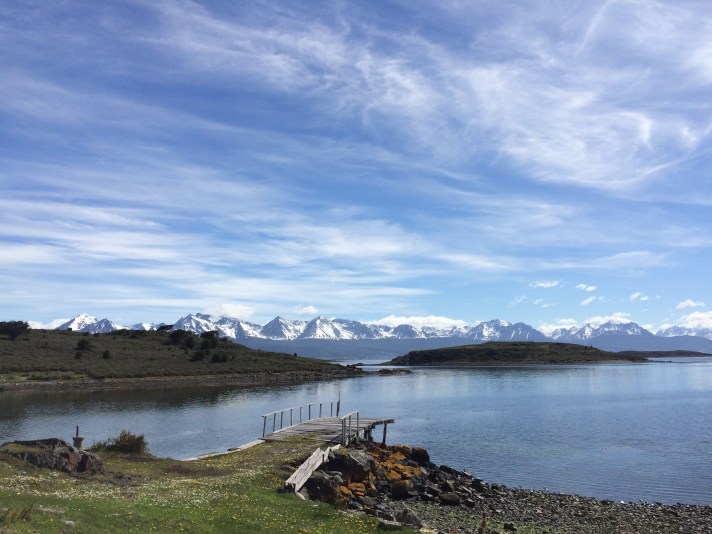
I came across British schools, polo clubs and rugby teams, as well as a Welsh-Argentine community in Patagonia. It soon became apparent that Britain and Argentina’s links ran far deeper than simply conflicts in the South Atlantic and rivalries on the football pitch.
These experiences were echoed across the continent. Everywhere I went, I stumbled upon forgotten stories and unexpected connections between Britain and South America, a history I wasn’t taught about in school and didn’t see represented in the media or popular culture.
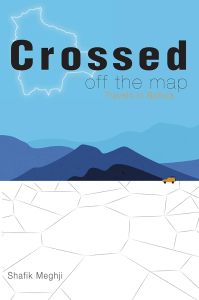 As I travelled across Bolivia to research my first book, Crossed Off the Map, I came across a graveyard of British-built trains on the edge of the world’s biggest salt flat, a notorious Amazonian rubber trader with a home in Hampstead, a tall tale about a British diplomat stripped naked, tied to an ass and kicked out of La Paz.
I read about Walter Raleigh’s search for El Dorado in what would become the British colony of Guyana, a land laboured by enslaved Africans and indentured South Asians; British soldiers who fought alongside Simón Bolívar in the continent’s wars of independence; a town built by a British railway company in southern Brazil.
But the stories that most captured my imagination come from the Southern Cone: Argentina, Chile and Uruguay. Travelling from the Atacama Desert to Tierra del Fuego, Easter Island to SouthGeorgia, I slowly unearthed a shared history spanning five centuries and featuring nitrate kings and wool barons, footballers and pirates, polar explorers and radical MPs, cowboys and missionaries.
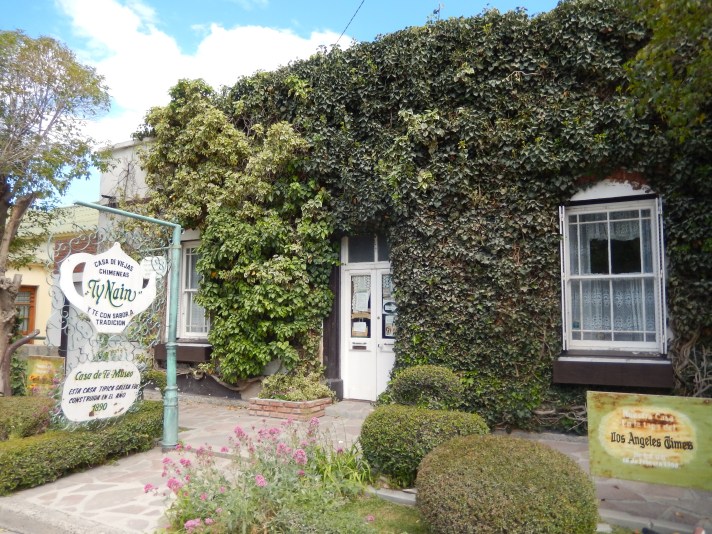
From ghost towns in the desert to far-flung ranches in the sub-polar tundra. Rusting whaling stations in the South Atlantic to an isolated railway built by convicts. The southernmost city on the planet to a crumbling port known as the ‘Jewel of the Pacific’.
On the way, I learned about Britain’s enduring impact on Argentina, Chile and Uruguay – from sparking wars, forging national identities and redrawing borders to a tangled role in their colonisation and decolonisation – and how these countries have shaped Britain in profound and unexpected ways.
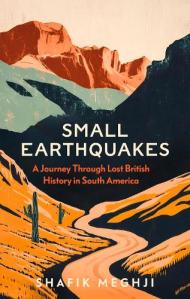
Eventually, after 10 years of writing and research, these places, characters and stories came together in Small Earthquakes.

 Cull & Co. Literary Agency Ltd