Sanctuary was conceived in the arrivals queue at Stansted. It was my first time, and the whole thing was over in seconds.
“What if,” the muse whispered, “a refugee lawyer like you were to claim asylum in your own country?”
I closed my eyes and saw an immigration officer beckoning me forward. “No have pasaporte,” I told her, attempting a Hispanic accent. The officer sank into a trap room, the stage revolved, and in the middle distance I could make out the concertina wire and yellow brick walls of an immigration removal centre. I walked up to the door and opened it. The writing had begun.
 Long before Sanctuary was published, I worked in immigration and asylum law at a top-ranked firm in Tottenham. There, I developed an indignant, sometimes self-righteous disdain for our government’s treatment of vulnerable migrants and asylum seekers. If we are the protagonists of our own lives, the Home Office was my antagonist. We fought them day in, day out on our clients’ behalf, essentially to protect basic human rights. It was rewarding, while also gruelling.
At first, the novel was a kind of escape: a way to explore that world through a playful, satirical, romantic lens. Later, the escape became something else. I began to see the book as a vehicle for taking readers into a legal and moral landscape, and not letting them leave unchanged.
Then, like any good villain, reality turned up to wreck my plot. In 2017, Callum Tulley blew the whistle on abuses at Brook House IRC. “It’s just like your story idea,” a friend told me, and my heart sank – for the victims, for all of us in whose name these places were being run, and for my fragile novel. I wrote faster, and made the crime at the heart of my story so heinous it couldn’t possibly happen in real life.
Life, of course, kept pace.
Working as a barrister left little time for writing, but the pandemic offered a strange window. By then my wife was working as a consultant paediatrician in Gibraltar, and we were living across the border in Spain with our two-year-old and her newborn sister. Time was still scarce, but I finished a draft. Then came Rwanda, and suddenly the parallels between policy and plot were impossible to ignore. A retired literary agent friend suggested I “hang fire” on submitting. Instead, I absorbed what was happening into the manuscript and kept going.

Somewhere in the middle I hit what publishing people call the dark night of the soul. Ten years had passed. I’d devoted an inordinate amount of thought to a book that still didn’t feel complete, and I couldn’t put my finger on why I’d been compelled to write it.
Reluctantly, I set the draft aside and began blueprinting another novel. It was only then that something clicked. I realised the tension I kept circling – freedom, responsibility, dignity, control – ran through my writing, and through me. I went back, gave the manuscript the inner story it had been crying out for, renamed it Sanctuary (its working title, The Muse and The Mole, had never suited it), and handed it over.
And here we are. The book is out in the world and I’m proud of her. I’d say we’re proud of her – only the muse speaks for herself.
Sanctuary (Cinto Press) is out now.
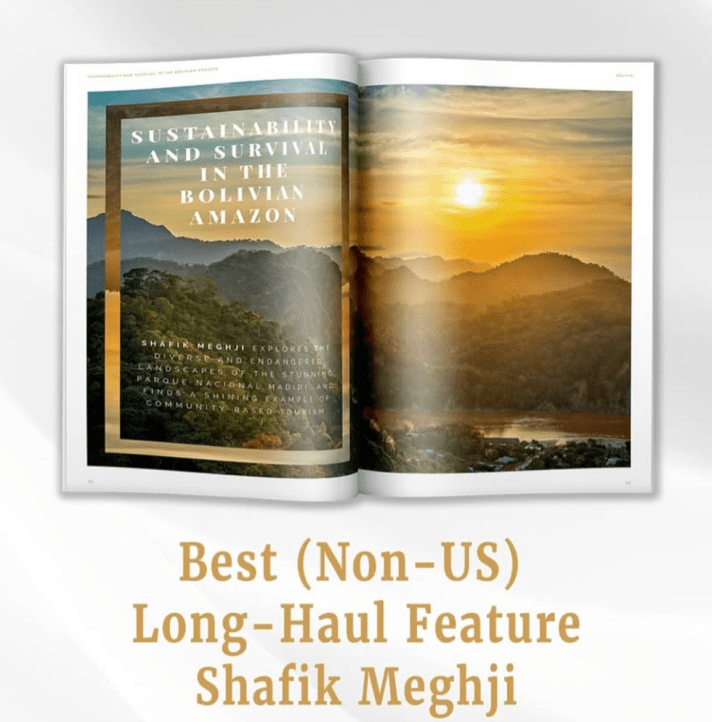
 Following the recent sad death of

 This year’s judges ‘
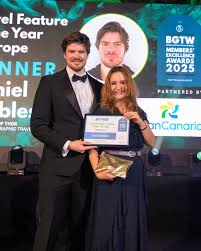 Continuing the theme of travel, Daniel Stables’s article for the National Geographic Traveller,

 We start with Seth Thevoz, whose work continues to rattle the crockery in Westminster. An archived extract doing the rounds captures his characteristic mix of archival ferreting and wry prose, reminding readers why his investigations travel so well beyond the committee room
  On geopolitics, Joe Luc Barnes has been charting the EU’s renewed attention to Central Asia. His recent video explainer lays out the energy, security and trade stakes with clarity, the sort of briefing you can watch over a coffee and come away feeling properly briefed.
  In music and mythmaking, Sean Egan’s Decade of Dissent has drawn nods from both niche and mainstream outlets. All About The Rock spotlighted the book’s case that 1960s Dylan changed more than just chord progressions
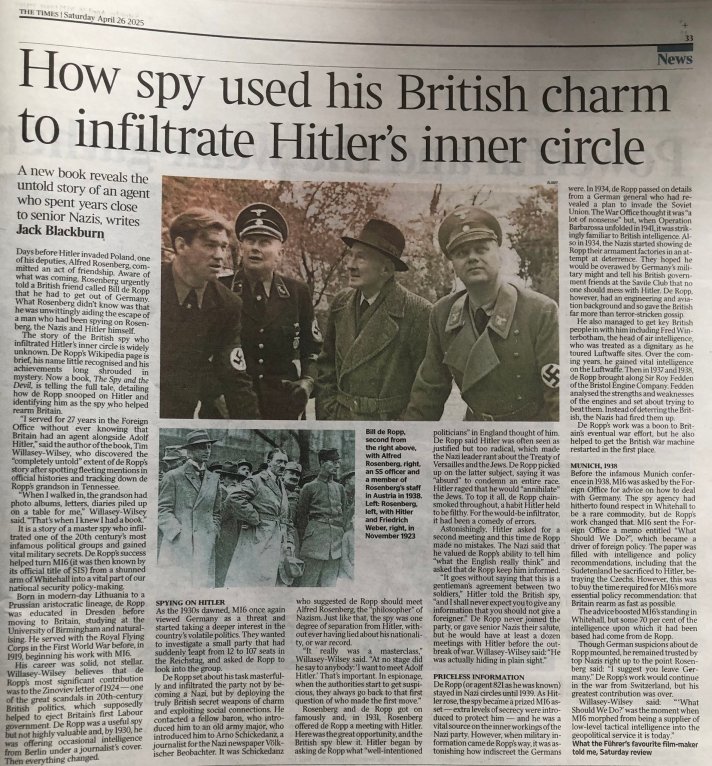
  And then there is Tim Willasey-Wilsey, everywhere at once. Reviews have been generous, from The Telegraph’s take on The Spy and the Devil
 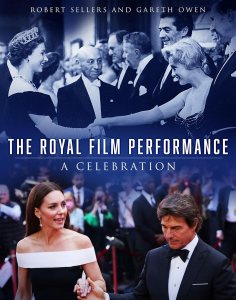 For nearly eight decades, the Royal family has been gracing the red carpet to see the most eagerly anticipated film of the year. Since 1946, the Royal Film Performance has been an annual highlight of the entertainment social calendar, where cinema’s most famous icons have come face to face with royalty.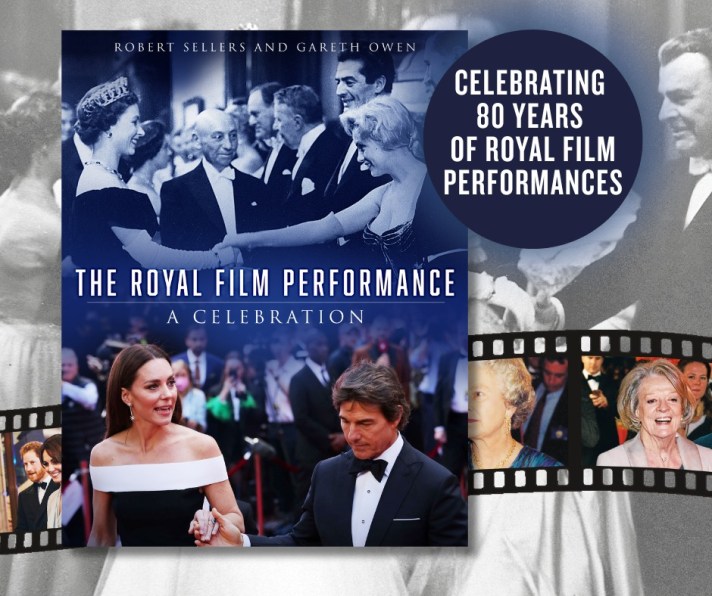
 Atop the Ozark Mountains, Rolland Comstock lived in what was described as “a Grimm Fairy tale.” With his pet wolves roving the estate and a world-famous book collection to obsess over, Rolland was no ordinary country lawyer. When he was murdered, Rolland’s story turned into a tragic mystery; one some did not want to see solved. This intimate true crime tale not only seeks to resolve the question of who killed this man but also to examine his life. It is a thriller from the perspective of the one character who can no longer tell the story himself.
 After a painful breakup, Lena escapes to an artists’ colony on a remote Scottish island, but as the idyllic retreat unravels into paranoia and decay – with dead birds washing ashore and tensions rising – she discovers that the quest for wellness may be more toxic than healing. In an age obsessed with wellness, escapism, and curated perfection, The Colony offers a chilling, thought-provoking reflection on how easily utopias can become dystopias.

 Author Andy Boot says: “I have always thought we forget that police dogs are more than just the heroes we occasionally see in the media. They are that and much, much more. They are all remarkable. In writing this book the intention is to tell a select series of stories about a few amazing animals that defined the history and purpose of the dog in service to the public. These canine crimebusters speak for the history of all these incredible dogs. It was a privilege to record this history and just a few of the many stories they could tell.”
 Cull & Co. Literary Agency Ltd